By the PunVerses Editorial Team — Last updated: August 12, 2026
Why Food Riddles Are the Ultimate Icebreaker at Parties and Gatherings

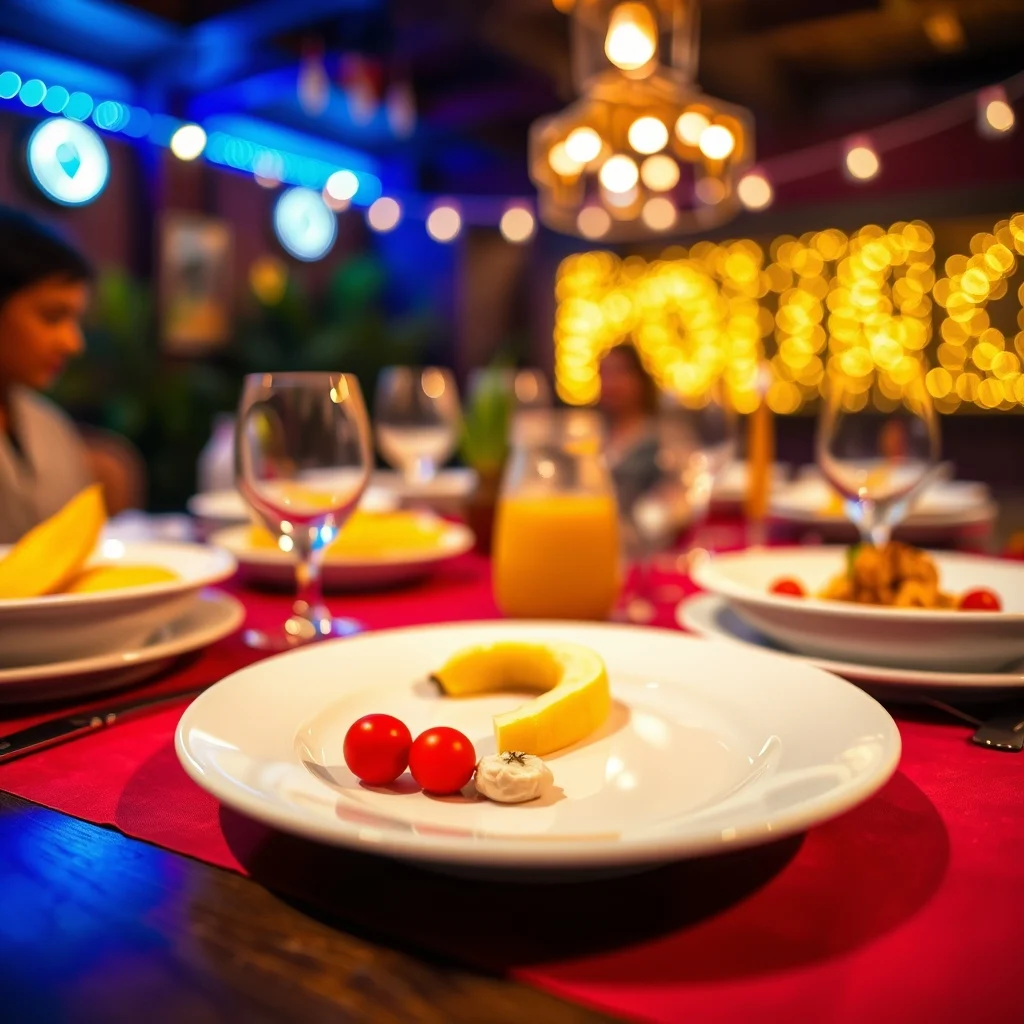
Food riddles transform ordinary gatherings into unforgettable moments of laughter and camaraderie. Whether you’re hosting a dinner party or attending a potluck, these playful puzzles break the ice faster than a bowl of warm popcorn at a movie night. Guests instantly bond over shared groans, triumphant “aha!” moments, and the thrill of outsmarting each other—all centered around something universally loved: food.
The magic of food riddles lies in their simplicity. They don’t require props, screens, or elaborate setups. Just a few words and a dash of creativity can turn a quiet room into a lively debate. Imagine kicking off a dinner party by asking, “I’m yellow and you can peel me, but I’m not a banana. What am I?” The room erupts as friends and family shout out guesses, from “a corn dog” to “a potato.” Even the wrong answers spark conversation and inside jokes that last the night.
Beyond laughter, food riddles serve a practical purpose: they level the playing field. Unlike trivia games that favor knowledge hoarders, food riddles let everyone participate. A child might guess the answer to a riddle about pizza faster than an adult, while the adult’s expertise in international cuisines shines when tackling a riddle about kimchi. This inclusivity makes food riddles perfect for multigenerational crowds or groups with diverse interests.
They also add a sensory twist to social interactions. Food is inherently tied to memory and emotion—think of the smell of fresh bread or the taste of a favorite childhood dessert. When a riddle references these sensations, it taps into shared experiences that deepen connections. Try asking, “I’m crunchy outside, soft inside, and often served with dip. I grow in the ground, but I’m not a potato. What am I?” The answer, a carrot, might spark stories about garden harvests or school lunches.
Finally, food riddles keep the energy high without stealing the spotlight. They’re the perfect complement to other party activities, like board games or karaoke. Need a quick reset between rounds of charades? A food riddle resets the mood and re-engages the group. Their versatility ensures they work in any setting, from backyard barbecues to cozy kitchen gatherings.
Easy Food Riddles for Kids (With Answers) to Spark Laughter and Learning
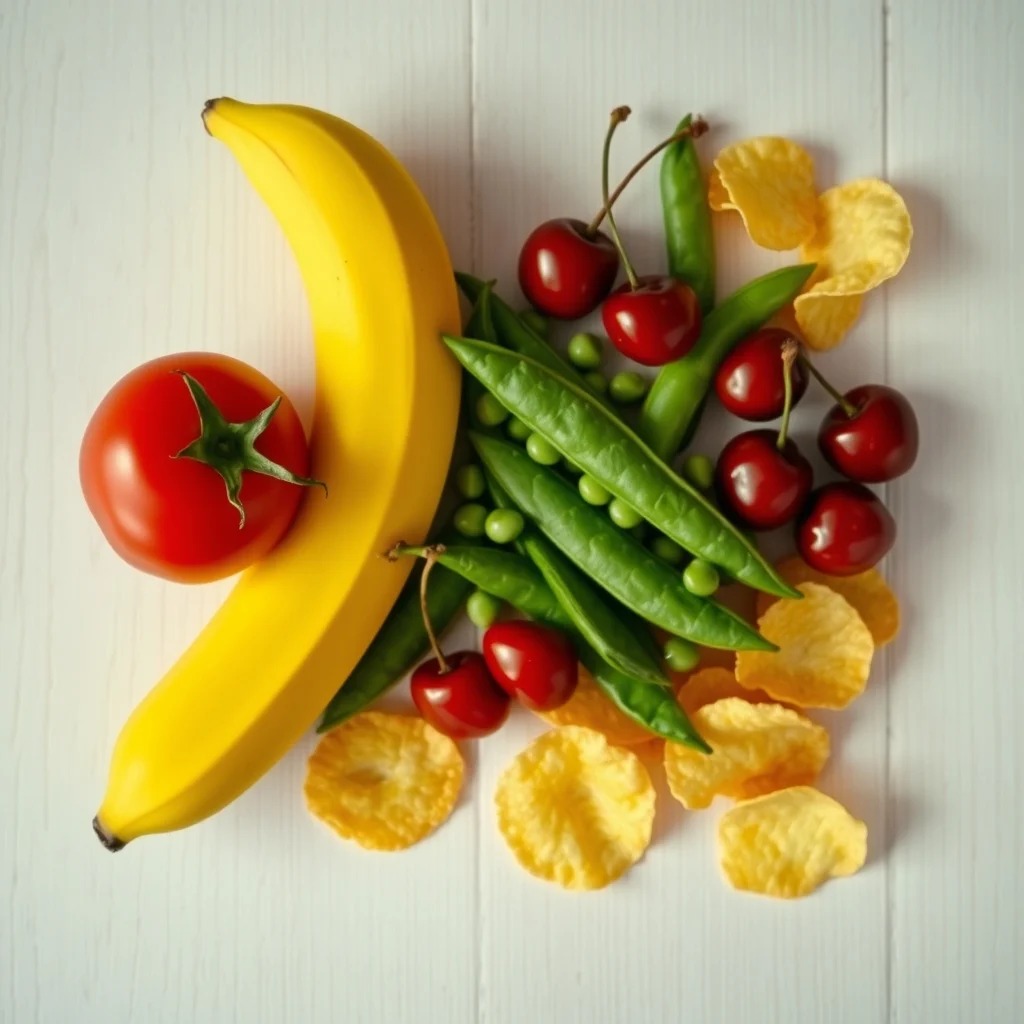
Kids adore food riddles because they’re playful, relatable, and just challenging enough to feel rewarding. These riddles use simple language and familiar foods to build confidence and encourage participation. Start with fruits and vegetables, then move to snacks and desserts as the kids’ curiosity grows.
Fruits and Vegetables
- Riddle: I’m red and juicy, and I grow on a vine. I’m often sliced for sandwiches, but I’m not jelly. What am I?
Answer: Tomato
- Riddle: I’m yellow and bendy, and monkeys love me. I’m great in smoothies or with peanut butter. What am I?
Answer: Banana
- Riddle: I’m crunchy and green, and rabbits think I’m a treat. I grow in a pod, and I’m great with dip. What am I?
Answer: Pea pods
- Riddle: I’m red, sweet, and sometimes sour. I’m often baked in pies or eaten fresh from the vine. What am I?
Answer: Cherry
Snacks and Treats
- Riddle: I’m crunchy and salty, and I come in many shapes. I’m best enjoyed in a bowl with a dip at parties. What am I?
Answer: Potato chips
- Riddle: I’m gooey and stretchy, and I melt in your mouth. I’m often served hot with marinara sauce. What am I?
Answer: Mozzarella cheese (or cheese stick)
- Riddle: I’m sweet and sticky, and I’m often paired with apples. I’m made by bees and spread on toast. What am I?
Answer: Honey
- Riddle: I’m round and flat, and I’m often filled with cheese or pepperoni. I’m baked in an oven and served at parties. What am I?
Answer: Pizza
Why These Riddles Work for Kids
Food riddles for kids rely on sensory cues and common associations. A riddle about a banana, for example, uses color, taste, and a playful reference to monkeys to make it memorable. These clues are easy to visualize, which helps young solvers connect the dots quickly. The riddles also avoid abstract concepts, sticking to tangible foods that children encounter daily.
Encourage kids to create their own riddles after solving a few. This activity boosts creativity and reinforces vocabulary. For example, a child might describe a strawberry as “red, sweet, and has seeds on the outside.” This process helps them articulate their thoughts while deepening their connection to food.
Hard Food Riddles That Will Challenge Even the Sharpest Minds
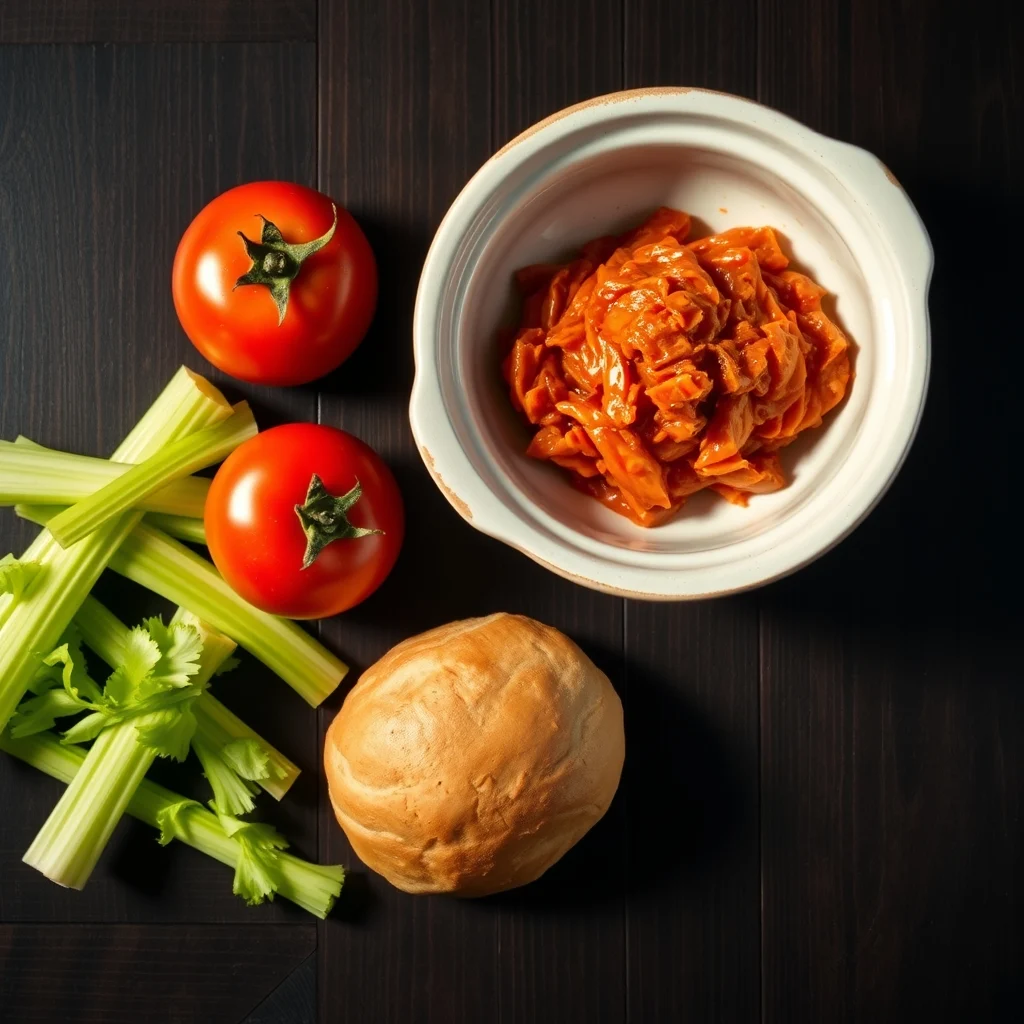
For those who crave a mental workout, these hard food riddles demand sharp observation, lateral thinking, and a willingness to embrace ambiguity. They often rely on wordplay, cultural references, or obscure culinary knowledge. Don’t be surprised if these riddles leave even the most confident foodies scratching their heads!
Wordplay and Puns
- Riddle: I’m not a dog, but I have a hot dog. I’m not a sandwich, but I’m often stuffed inside one. What am I?
Answer: A bun
- Riddle: I’m a vegetable that’s also a color, but I’m not green. I’m often used in soups, but I’m not a carrot. What am I?
Answer: Celery (which shares its name with a shade of green, but the riddle tricks solvers into overcomplicating)
- Riddle: I’m a fruit that’s not a fruit, and I’m not sweet. I’m used in cooking but not as a main dish. What am I?
Answer: Tomato (botanically a fruit, but often treated as a vegetable in culinary contexts)
Obscure or Regional Foods
Answer: Kimchi
- Riddle: I’m a Portuguese dish made with eggs and sugar, often shaped like a dome. I’m a sweet treat loved in Brazil too. What am I?
Answer: Pastel de nata
- Riddle: I’m a British spread made from yeast extract, dark and salty. I’m often spread on toast or crackers. What am I?
Answer: Marmite
Tricky Descriptions
- Riddle: I’m white when I’m raw, but I turn brown when I’m cooked. I’m often mashed or fried, and I come from a tuber. What am I?
Answer: Potato
- Riddle: I’m a type of pasta that’s long and thin, often served with meatballs. My name sounds like a small, furry animal. What am I?
Answer: Spaghetti (sounds like “spaghetti cat”)
- Riddle: I’m a dessert that’s cold and creamy, often topped with fruit or chocolate sauce. I’m made from dairy but not cheese. What am I?
Answer: Ice cream
Tips for Solving Hard Food Riddles
Start by breaking down the riddle into its key components. For example, if the riddle mentions fermentation and Korea, think of foods associated with those clues. Write down possibilities and eliminate those that don’t fit. Sometimes, the answer lies in a play on words or a cultural reference you might not immediately recognize.
Use these riddles as a game to test your own culinary knowledge or challenge friends. The satisfaction of solving a tough riddle is unmatched, especially when the answer reveals a clever twist or an unexpected fact.
Funny Food Riddles with Answers for Adults: From Silly to Slightly Sneaky
Adults love food riddles that tickle their funny bone or tease their intellect. These riddles often incorporate humor, sarcasm, or adult-themed wordplay while keeping the food focus intact. They’re perfect for parties where the goal is to entertain without alienating anyone.
Silly and Lighthearted Riddles
- Riddle: I’m a vegetable that’s also a swear word. I’m often served roasted or mashed. What am I?
Answer: Damn! (a play on “dill”)
- Riddle: I’m a fruit that’s always in a hurry. I’m yellow and bendy, but I’m not a banana. What am I?
Answer: A hurry-up banana (a pun on the fruit’s name) For more on this, see our The Ultimate Directory of Funny Pun Jokes: 200+ Hilarious One-Liners, Questions, and Daily Puns guide.
- Riddle: I’m a drink that’s also a dessert. I’m often served with whipped cream and a cherry. What am I?
Answer: Milkshake
Slightly Sneaky Riddles
- Riddle: I’m a grain that’s not wheat, and I’m often used in sushi rolls. I’m sticky when cooked. What am I?
Answer: Rice
- Riddle: I’m a type of cheese that’s often shredded and melted on pizza. My name sounds like a type of dance. What am I?
Answer: Parmesan (sounds like “pas de deux”)
- Riddle: I’m a vegetable that’s also a color, but I’m not green. I’m often used in stir-fries. What am I?
Answer: Orange bell pepper
Riddles with a Twist
- Riddle: I’m a food that’s always trying to get ahead. I’m sliced, diced, and often sautéed. What am I?
Answer: Onion (a play on “I’m on it!”)
- Riddle: I’m a dessert that’s always late. I’m sweet, creamy, and served in a bowl. What am I?
Answer: Late-night ice cream
- Riddle: I’m a snack that’s always moving. I’m crunchy, salty, and often shared in bowls. What am I?
Answer: Popcorn
Why Adults Love These Riddles
Adults enjoy food riddles that feel like a game of wits. The humor and wordplay make them feel less like a quiz and more like a social activity. These riddles also tap into shared experiences, like the frustration of cutting onions or the joy of late-night snacks.
Use these riddles to spark conversations about food memories, cultural differences, or even cooking disasters. They’re a great way to break the ice at work events or family gatherings where not everyone knows each other well.
Holiday-Themed Food Riddles to Add Flavor to Your Celebrations
Holidays and food go hand in hand, making holiday-themed food riddles the perfect way to add a dash of fun to your celebrations. These riddles tie into traditions, foods, and customs unique to each holiday, providing a fresh twist on classic gatherings.
Thanksgiving
- Riddle: I’m golden and flaky, and I’m often served with gravy. I’m made from dough and come in many shapes. What am I?
Answer: Pie (or specifically, a pie crust)
- Riddle: I’m a bird that’s not a chicken, and I’m often stuffed and roasted. I’m the centerpiece of Thanksgiving dinner. What am I?
Answer: Turkey
- Riddle: I’m a vegetable that’s often mashed and served with butter. I’m orange and grow in the ground. What am I?
Answer: Sweet potato
Christmas
- Riddle: I’m a drink that’s creamy and spicy, often served warm. I’m made with milk, sugar, and holiday spices. What am I?
Answer: Eggnog
- Riddle: I’m a sweet treat that’s often shaped like a log. I’m made with sponge cake, cream, and chocolate. What am I?
Answer: Yule log (Bûche de Noël)
- Riddle: I’m a spice that’s often used in holiday cookies. I’m brown, powdery, and smells like Christmas. What am I?
Answer: Cinnamon
Halloween
- Riddle: I’m orange and round, and I’m often carved with faces. I’m a vegetable that’s not a pumpkin. What am I?
Answer: Turnip (or rutabaga)
- Riddle: I’m a candy that’s often given out on Halloween. I’m small, round, and come in many flavors. What am I?
Answer: M&M’s
- Riddle: I’m a dessert that’s often served at Halloween parties. I’m made with chocolate, marshmallows, and cookies. What am I?
Answer: Rice Krispies Treat (or s’mores)
Easter
- Riddle: I’m a food that’s often dyed and hidden for kids to find. I’m oval and often made of chocolate. What am I?
Answer: Easter egg
- Riddle: I’m a bread that’s often shaped like a bunny or a cross. I’m sweet and often served with butter. What am I?
Answer: Hot cross bun
- Riddle: I’m a vegetable that’s often served with ham. I’m green, leafy, and often steamed. What am I?
Answer: Asparagus
How to Use Holiday Food Riddles
Holiday food riddles work well as icebreakers during gatherings or as part of themed games. For example, create a scavenger hunt where guests solve riddles to find hidden treats. Or, use them to spark conversations about holiday traditions and family recipes.
Incorporate riddles into your holiday menus by printing them on recipe cards or place cards. Guests can solve them while waiting for dinner or during dessert. These small touches add a personalized and memorable touch to your celebrations.
Food Riddles for the Kitchen: Guess the Ingredient or Dish
The kitchen is the perfect place for food riddles, whether you’re cooking alone or with others. These riddles focus on ingredients, tools, and dishes, making them ideal for cooks of all skill levels. They’re a fun way to learn about food, test your culinary knowledge, or entertain kids while cooking.
Ingredients
- Riddle: I’m white and powdery, and I’m often used to thicken sauces. I’m made from wheat or corn. What am I?
Answer: Flour
- Riddle: I’m a spice that’s often used in baking. I’m brown, powdery, and smells like the holidays. What am I?
Answer: Nutmeg
- Riddle: I’m a green leafy vegetable that’s often used in salads. I’m crunchy and slightly bitter. What am I?
Answer: Romaine lettuce
Kitchen Tools
- Riddle: I’m a tool that’s sharp and often dangerous. I’m used to chop vegetables and slice meat. What am I?
Answer: Knife
- Riddle: I’m a bowl that’s often used to mix ingredients. I come in many sizes and can be made of glass or metal. What am I?
Answer: Mixing bowl
- Riddle: I’m a utensil with holes that drains water from pasta. I’m often made of metal or plastic. What am I?
Answer: Colander
Dishes and Recipes
- Riddle: I’m a dish that’s made with layers of pasta, cheese, and sauce. I’m baked in the oven and often served with garlic bread. What am I?
Answer: Lasagna
- Riddle: I’m a soup that’s creamy and often made with potatoes and leeks. I’m a classic dish from Ireland. What am I?
Answer: Chowder
- Riddle: I’m a dessert that’s made with layers of cake, cream, and fruit. I’m often served at birthdays and celebrations. What am I?
Answer: Trifle
Using Food Riddles in the Kitchen
Food riddles can turn a routine cooking session into an interactive experience. For example, while prepping ingredients, ask family members to guess the spice in the jar or the type of vegetable on the cutting board. This activity teaches them about food while keeping them engaged.
For kids, food riddles can make cooking less intimidating. They’ll learn to recognize ingredients by their descriptions, which builds familiarity and confidence in the kitchen. Try using riddles to describe the steps in a recipe, like “I’m a liquid that’s often added to cakes to make them rise.” The answer, baking powder, helps them understand the recipe’s purpose.
International Food Riddles: A Taste of Global Humor and Trivia
Food is a universal language, and international food riddles celebrate the diversity of global cuisines. These riddles introduce solvers to dishes, ingredients, and culinary traditions from around the world. They’re a fun way to explore new flavors and cultures without leaving your kitchen.
Asian Cuisine
- Riddle: I’m a Japanese dish made with raw fish and rice. I’m often served with soy sauce and wasabi. What am I?
Answer: Sushi
- Riddle: I’m a Chinese dish made with noodles, vegetables, and meat. I’m often stir-fried in a wok. What am I?
Answer: Chow mein
- Riddle: I’m a Thai soup that’s spicy, sour, and often made with shrimp. I’m a staple dish in Thailand. What am I?
Answer: Tom yum soup
European Cuisine
- Riddle: I’m a French dish made with eggs and cheese, often folded into a crepe. I’m a classic brunch item. What am I?
Answer: Omelette
- Riddle: I’m an Italian dish made with thin sheets of pasta layered with cheese and sauce. I’m often baked in the oven. What am I?
Answer: Lasagna
- Riddle: I’m a German dish made with fermented cabbage. I’m often served with sausages. What am I?
Answer: Sauerkraut
Latin American Cuisine
- Riddle: I’m a Mexican dish made with a tortilla filled with meat, beans, and cheese. I’m often topped with salsa. What am I?
Answer: Burrito
- Riddle: I’m a Brazilian dish made with black beans and pork. I’m often served with rice and farofa. What am I?
Answer: Feijoada
- Riddle: I’m a Peruvian dish made with raw fish marinated in lime juice. I’m a refreshing dish often served in coastal areas. What am I?
Answer: Ceviche
Middle Eastern Cuisine
- Riddle: I’m a Middle Eastern dip made with chickpeas, tahini, and lemon. I’m often served with pita bread. What am I?
Answer: Hummus
- Riddle: I’m a dish from Lebanon made with bulgur wheat and tomatoes. I’m a staple in many Middle Eastern meals. What am I?
Answer: Tabbouleh
- Riddle: I’m a Turkish dish made with layers of phyllo dough and nuts. I’m sweet and often served with syrup. What am I?
Answer: Baklava
African Cuisine
- Riddle: I’m a Nigerian dish made with rice, vegetables, and spices. I’m often served with fried plantains. What am I?
Answer: Jollof rice
- Riddle: I’m a South African dish made with meat and spices, often served with maize porridge. I’m a traditional dish in many communities. What am I?
Answer: Bobotie
- Riddle: I’m an Ethiopian dish made with spongy flatbread and a spicy stew. I’m often eaten with the hands. What am I?
Answer: Injera with wat
How to Use International Food Riddles
Use these riddles to spark conversations about global cultures and traditions. For example, ask guests to guess the country of origin for a dish before revealing the answer. This turns a simple riddle into an educational moment.
Incorporate international food riddles into themed dinner nights. For example, host a “Taste of Asia” night where guests solve riddles about sushi, dumplings, and pho. Serve the dishes as prizes for correct answers or use the riddles to introduce each course.
How to Use Food Riddles in Games, Quizzes, and Social Media Challenges
Food riddles aren’t just for parties—they’re versatile tools for games, quizzes, and social media challenges. Their flexibility makes them perfect for everything from classroom activities to viral online games. Here’s how to leverage food riddles in creative ways.
Games and Quizzes
- Riddle Relay Races: Divide players into teams and have them race to solve a series of food riddles. The first team to solve all riddles wins. This works well for kids’ parties or team-building events.
- Food Riddle Bingo: Create bingo cards with food-related answers. Call out riddles, and players mark the answers on their cards. The first to get a line or a full card wins. This is a great icebreaker for large groups.
- Timed Challenges: Set a timer and challenge players to solve as many food riddles as possible within a set time. The player with the most correct answers wins a prize, like a favorite snack or bragging rights.
Social Media Challenges
- #FoodRiddleFriday: Post a food riddle on your social media every Friday and encourage followers to share their answers in the comments. Reveal the answer the following day to keep engagement high.
- Riddle Threads: Create a thread on platforms like Twitter or Instagram where you post a riddle, and followers guess the answer in the replies. Use polls or emoji reactions to make it interactive.
- Riddle Challenges: Collaborate with food brands or influencers to create themed riddle challenges. For example, partner with a coffee brand to post riddles about coffee beans or brewing methods.
Classroom and Educational Settings
- Lesson Warm-Ups: Start a class with a food riddle related to the day’s lesson. This grabs students’ attention and sets a fun, engaging tone for the rest of the class.
- Group Work: Divide students into groups and have them create their own food riddles. This encourages creativity and reinforces vocabulary and cultural knowledge.
- Homework Assignments: Assign students to solve a set of food riddles or create their own as a creative writing exercise. This makes learning interactive and memorable.
Tips for Maximizing Engagement
Keep the atmosphere lighthearted and inclusive. The goal is to entertain, not to stump or embarrass. Offer hints if the riddles are too challenging, and celebrate all correct answers, no matter how simple.
Use food riddles to bridge gaps between generations or cultures. For example, older adults might know obscure ingredients from their childhood, while younger participants might recognize trendy foods from social media. This exchange of knowledge fosters connection and understanding.
The Science Behind Why Food Riddles Are So Funny (And How to Make Your Own)
Food riddles are funny because they play with our expectations, trigger nostalgia, and tap into the universal love of food. But there’s more to their humor than meets the eye. Understanding the science behind why food riddles work can help you craft your own hilarious and engaging puzzles.
The Role of Nostalgia and Memory
Food is deeply tied to memory and emotion. A riddle about a childhood favorite, like mac and cheese or peanut butter and jelly, instantly transports solvers back to simpler times. The humor comes from the shared experience of loving these foods, even if the riddle’s twist catches solvers off guard.
For example, a riddle like “I’m a sandwich that’s always hungry. What am I?” (answer: a grilled cheese) plays on the idea of hunger, which is a primal need tied to survival. The humor arises from the absurdity of a sandwich being hungry, which triggers a mental image that’s both relatable and silly.
Wordplay and Puns
Puns are a cornerstone of humor in food riddles. They rely on double meanings, homophones, or playful distortions of words. For example, a riddle about a “runny nose” might trick solvers into thinking about the body part rather than the consistency of a food like soup.
Puns work because they force the brain to switch contexts quickly. This mental gymnastics is inherently funny because it catches the brain off guard. Solvers laugh not just at the answer, but at the process of realizing how they were tricked.
The Surprise Element
Humans are wired to love surprises. Food riddles deliver this by presenting clues that seem straightforward but lead to an unexpected answer. For example, a riddle like “I’m a vegetable that’s also a color. What am I?” (answer: orange bell pepper) plays on the dual meaning of the word “orange.”
The surprise comes from the solver’s realization that they overlooked an obvious clue. This “aha!” moment releases dopamine, a neurotransmitter associated with pleasure and reward. It’s the same feeling you get when you solve a puzzle or win a game.
How to Make Your Own Funny Food Riddles
Start by choosing a food item you love or find intriguing. Think about its characteristics—color, taste, texture, origin, or how it’s used in cooking. Then, write clues that play with these features. For example, if you’re writing a riddle about a watermelon, you might focus on its size, color, or the fact that it’s 92% water.
Use wordplay to add a layer of humor. For example, a riddle about a pickle could be: “I’m a cucumber that’s gone rogue. What am I?” This plays on the idea of pickles being cucumbers that have been transformed by brine.
Test your riddles on friends or family to gauge their reactions. If they laugh or groan at the right moments, you’ve hit the humor sweet spot. If they struggle to solve it, tweak the clues to make them clearer or more playful.
Examples of Custom Riddles
- Riddle: I’m a fruit that’s always in a hurry. I’m yellow and bendy, but I’m not a banana. What am I?
Answer: A hurry-up banana (a pun on the fruit’s name)
- Riddle: I’m a vegetable that’s also a swear word. I’m often served roasted or mashed. What am I?
Answer: Damn! (a play on “dill”)
- Riddle: I’m a drink that’s also a dessert. I’m often served with whipped cream and a cherry. What am I?
Answer: Milkshake
The Science of Sharing
Food riddles are funnier when shared. This is because laughter is contagious. When one person laughs at a riddle, others are more likely to laugh too. Sharing riddles in a group setting amplifies the humor, turning a simple puzzle into a shared experience.
Printable Food Riddles: Free Downloads for Classrooms and Family Fun
Food riddles aren’t just for spontaneous fun—they’re also perfect for structured activities like classroom lessons, family game nights, or road trips. Printable food riddles make it easy to organize and share these puzzles with others. Below, you’ll find tips for creating your own printables, as well as links to free resources.
How to Create Printable Food Riddles
Start by designing a simple layout with a riddle on one side and the answer on the back. Use a clear, legible font like Arial or Comic Sans to ensure readability. Add colorful graphics or food-themed borders to make the printables visually appealing.
Organize the riddles by difficulty or theme. For example, create a set of easy riddles for young kids or a set of holiday-themed riddles for classroom use. This makes it easy to find the right riddle for any occasion.
Free Printable Resources
While this article includes a wide variety of riddles, you can also find free printable food riddles online. Here are some reputable sources to explore:
- Education.com: Offers printable food-themed worksheets and riddles for kids.
- Pinterest: Search for “printable food riddles” to find user-generated templates and ideas.
- Teachers Pay Teachers: Many educators share free food riddle printables designed for classroom use.
- K5 Learning: Provides free printable worksheets, including riddles and puzzles focused on food.
Using Printable Food Riddles in the Classroom
Food riddles are a fantastic tool for teachers looking to make learning interactive and fun. Use them to reinforce vocabulary, cultural foods, or even basic nutrition. For example, a riddle about a tomato can introduce lessons about fruits vs. vegetables or the history of pizza.
- Vocabulary Building: Have students solve riddles and then write their own definitions for the food items mentioned. This reinforces word meanings and spelling.
- Cultural Lessons: Use international food riddles to teach students about global cuisines and traditions. Pair the riddles with a cooking activity or a geography lesson.
- Nutrition Education: Focus on riddles about healthy foods, like fruits and vegetables, to encourage students to think about balanced diets. For example, “I’m red, round, and packed with vitamin C. What am I?” (answer: bell pepper).
Family Game Nights
Printable food riddles are perfect for family game nights, especially when you’re looking for a low-prep activity. Print a set of riddles, cut them out, and place them in a bowl. Take turns drawing a riddle and reading it aloud. Family members can shout out answers or write them down on a whiteboard.
- Scavenger Hunt: Hide printed riddles around the house, and have family members solve them to find the next clue. The final riddle can lead to a small prize or a favorite snack.
- Team Challenges: Divide the family into teams and have them compete to solve the most riddles in a set time. The winning team gets to choose the next family activity.
- Road Trip Entertainment: Print a set of riddles to keep kids engaged during long car rides. This turns a potentially boring trip into a fun, interactive game.
Tips for Printing and Organizing
- Paper Quality: Use sturdy paper or cardstock to ensure the printables last through repeated use.
- Lamination: Laminate the riddles to make them reusable and durable, especially for classroom settings.
- Digital Access: Save the printables as PDF files so you can easily share them via email or messaging apps.
- Customization: Use free tools like Canva or Google Docs to customize printables with your own riddles or branding.
Food Riddle FAQs: Answers to Your Most Common Questions
Q: What are some good food riddles for kids?
Kids love food riddles that are simple, playful, and tied to foods they know and love. Focus on familiar fruits, vegetables, and snacks to build their confidence and encourage participation. Here are a few examples: For more on this, see our Simple Animal Jokes: Hilarious Puns, Riddles & One-Liners for Kids and Adults guide.
- Riddle: I’m yellow and bendy, and monkeys love me. I’m great in smoothies or with peanut butter. What am I?
Answer: Banana
- Riddle: I’m crunchy and green, and rabbits think I’m a treat. I grow in a pod, and I’m great with dip. What am I?
Answer: Pea pods
- Riddle: I’m sweet and sticky, and I’m often paired with apples. I’m made by bees and spread on toast. What am I?
Answer: Honey
- Riddle: I’m round and flat, and I’m often filled with cheese or pepperoni. I’m baked in an oven and served at parties. What am I?
Answer: Pizza
These riddles use sensory cues and common associations to make them easy to visualize and solve. Encourage kids to create their own riddles using similar clues to reinforce their learning and creativity.
Q: Can food riddles be used for educational purposes?
Absolutely! Food riddles are a versatile educational tool that can teach vocabulary, cultural foods, and even basic nutrition. They’re particularly effective in classrooms, homeschooling environments, and family settings where interactive learning is valued.
- Vocabulary: Food riddles introduce and reinforce words related to food, cooking, and ingredients. For example, a riddle about a colander helps students learn the name and function of this kitchen tool.
- Cultural Foods: International food riddles expose students to global cuisines, encouraging curiosity about other cultures. Pair these riddles with lessons about geography, history, or anthropology to deepen the learning experience.
- Nutrition: Focus on riddles about healthy foods to teach students about balanced diets. For example, a riddle about a carrot might lead to a discussion about vitamins and minerals.
Food riddles also promote critical thinking and memory retention. Solving a riddle requires the solver to process clues, make connections, and recall information—all skills that are essential for learning.
Q: Where can I find funny food riddles with answers online?
There are many reliable sources for funny food riddles with answers online. Start with reputable educational websites, puzzle collections, or food blogs. Always verify the answers to ensure accuracy and quality.
- This Page: Our comprehensive list includes over 100 riddles across various themes and difficulty levels. Bookmark this page for a go-to resource.
- Education Websites: Sites like Education.com, K5 Learning, and Teachers Pay Teachers offer curated collections of food riddles designed for educational use.
- Puzzle Books: Look for books like The Big Book of Food Riddles or Riddles for Foodies in bookstores or libraries.
- Food Blogs: Many food bloggers include riddles or trivia in their posts, especially around holidays or special occasions.
When searching for riddles online, use specific keywords like “food riddles for kids” or “funny food riddles with answers” to narrow down your results. Always double-check the answers, as not all online sources are accurate.
Q: How do I create my own funny food riddles?
Creating your own funny food riddles is a fun and creative process. Start by choosing a food item that you find humorous, intriguing, or relatable. Think about its characteristics—color, taste, texture, origin, or how it’s used in cooking—and write clues that play with these features.
- Step 1: Choose a Food Item
Pick something specific, like a pickle, a muffin, or a durian. The more unique the food, the more opportunities for humor and wordplay.
- Step 2: Brainstorm Clues
Write down words or phrases that describe the food. For a pickle, you might think of: – Green or speckled – Sour or tangy – Often served with sandwiches – Goes well with burgers – Made from cucumbers
- Step 3: Add Wordplay
Use puns or double meanings to make the riddle funny. For example: For more on this, see our Funny Summer Jokes for Toddlers: Brighten Their Day with Seasonal Giggles guide. – “I’m a cucumber that’s gone rogue. What am I?” – “I’m a sandwich that’s always hungry. What am I?”
- Step 4: Test Your Riddle
Share it with friends or family to see if they laugh or groan. If they struggle to solve it, tweak the clues to make them clearer or more playful.
Here are a few examples of custom riddles you can create:
- Riddle: I’m a fruit that’s always in a hurry. I’m yellow and bendy, but I’m not a banana. What am I?
Answer: A hurry-up banana
- Riddle: I’m a vegetable that’s also a swear word. I’m often served roasted or mashed. What am I?
Answer: Damn! (a play on “dill”)
- Riddle: I’m a drink that’s also a dessert. I’m often served with whipped cream and a cherry. What am I?
Answer: Milkshake
Q: Are there food riddles that work well for adults?
Adults enjoy food riddles that feel clever, sophisticated, or subtly suggestive. These riddles often incorporate wordplay, cultural references, or humor that resonates with an older audience. Here are a few examples:
- Riddle: I’m a grain that’s not wheat, and I’m often used in sushi rolls. I’m sticky when cooked. What am I?
Answer: Rice
- Riddle: I’m a type of cheese that’s often shredded and melted on pizza. My name sounds like a type of dance. What am I?
Answer: Parmesan (sounds like “pas de deux”)
- Riddle: I’m a dessert that’s always late. I’m sweet, creamy, and served in a bowl. What am I?
Answer: Late-night ice cream
- Riddle: I’m a snack that’s always moving. I’m crunchy, salty, and often shared in bowls. What am I?
Answer: Popcorn
Adult-themed riddles also play on stereotypes or cultural references. For example, a riddle about a “basic” food like avocado toast might reference its popularity in millennial culture. The humor comes from the shared understanding of these references.
Q: What’s the best way to use food riddles in a group setting?
Food riddles work best in group settings when they’re interactive, inclusive, and lighthearted. The goal is to engage everyone without making anyone feel left out or embarrassed. Here are a few tips for using food riddles in groups:
- Set the Tone: Start by explaining that the goal is to have fun, not to stump each other. Encourage laughter and groans, but avoid taking the riddles too seriously.
- Use Teams: Divide the group into teams to foster collaboration and friendly competition. This works well for larger groups or events like family reunions.
- Offer Hints: If a riddle is too challenging, offer hints to keep the game moving. For example, “This food is often served with ketchup” for a riddle about fries.
- Celebrate All Answers: Praise correct answers, but also highlight creative or funny wrong answers. This keeps the atmosphere positive and inclusive.
Q: Can food riddles help with memory or cognitive skills?
Yes! Solving food riddles engages the brain in multiple ways, making them a fun tool for improving memory and cognitive skills. Here’s how:
- Memory Retention: Food riddles require solvers to recall information about foods, such as their names, uses, or characteristics. This strengthens memory pathways and improves recall.
- Critical Thinking: Solving a riddle involves analyzing clues, making connections, and eliminating incorrect answers. This process enhances problem-solving skills and logical reasoning.
- Language Skills: Food riddles expose solvers to new vocabulary and reinforce word meanings. This is especially beneficial for young children or non-native speakers.
- Attention to Detail: Riddles often rely on subtle clues or wordplay, which encourages solvers to pay attention to details. This skill is transferable to other areas of life, like reading or problem-solving.
Food riddles can be particularly beneficial for older adults or children in developmental stages. For older adults, they provide mental stimulation and a sense of accomplishment. For children, they reinforce learning in a fun, low-pressure way.
Q: Are there food riddles that are holiday-themed?
Yes! Holiday-themed food riddles tie into the foods, traditions, and customs unique to each celebration. They’re a great way to add a fun twist to holiday gatherings and spark conversations about cultural practices. Here are a few examples:
- Thanksgiving:
– Riddle: I’m golden and flaky, and I’m often served with gravy. I’m made from dough and come in many shapes. What am I? Answer: Pie (or pie crust)
– Riddle: I’m a bird that’s not a chicken, and I’m often stuffed and roasted. I’m the centerpiece of Thanksgiving dinner. What am I? Answer: Turkey
– Riddle: I’m a vegetable that’s often mashed and served with butter. I’m orange and grow in the ground. What am I? Answer: Sweet potato
- Christmas:
– Riddle: I’m a drink that’s creamy and spicy, often served warm. I’m made with milk, sugar, and holiday spices. What am I? Answer: Eggnog
– Riddle: I’m a sweet treat that’s often shaped like a log. I’m made with sponge cake, cream, and chocolate. What am I? Answer: Yule log (Bûche de Noël)
– Riddle: I’m a spice that’s often used in holiday cookies. I’m brown, powdery, and smells like Christmas. What am I? Answer: Cinnamon
- Halloween:
– Riddle: I’m orange and round, and I’m often carved with faces. I’m a vegetable that’s not a pumpkin. What am I? Answer: Turnip (or rutabaga)
– Riddle: I’m a candy that’s often given out on Halloween. I’m small, round, and come in many flavors. What am I? Answer: M&M’s
– Riddle: I’m a dessert that’s often served at Halloween parties. I’m made with chocolate, marshmallows, and cookies. What am I? Answer: Rice Krispies Treat (or s’mores)
Use these riddles to add a playful touch to your holiday gatherings. They’re perfect for icebreakers, games, or even as part of themed meals.
More Hilarious Food Riddles to Keep the Laughs Coming
Ready for more riddles to stump, delight, and entertain? Here’s a bonus round of hilarious food riddles that span every category—from silly to sneaky, easy to hard. Use them to keep the fun going at parties, family dinners, or road trips.
Silly and Absurd Riddles
- Riddle: I’m a fruit that’s always running late. I’m yellow and bendy, but I’m not a banana. What am I?
Answer: A procrastinating banana
- Riddle: I’m a vegetable that’s always telling jokes. I’m crunchy and green, and rabbits love me. What am I?
Answer: A comedian lettuce (comic + lettuce)
- Riddle: I’m a dessert that’s always in a hurry. I’m cold, creamy, and served in a cone. What am I?
Answer: An ice cream sprint
Tricky and Deceptive Riddles
- Riddle: I’m not a dog, but I have a hot dog. I’m not a sandwich, but I’m often stuffed inside one. What am I?
Answer: A bun
- Riddle: I’m a vegetable that’s also a color, but I’m not green. I’m often used in soups, but I’m not a carrot. What am I?
Answer: Celery
- Riddle: I’m a grain that’s not wheat, and I’m often used in sushi rolls. I’m sticky when cooked. What am I?
Answer: Rice
Riddles with a Twist
- Riddle: I’m a food that’s always trying to get ahead. I’m sliced, diced, and often sautéed. What am I?
Answer: Onion (a play on “I’m on it!”)
- Riddle: I’m a drink that’s also a dessert. I’m creamy, sweet, and often served with a cherry. What am I?
Answer: Milkshake
- Riddle: I’m a snack that’s always moving. I’m crunchy, salty, and often shared in bowls. What am I?
Answer: Popcorn
International and Cultural Riddles
- Riddle: I’m a Japanese dish made with raw fish and rice. I’m often served with soy sauce and wasabi. What am I?
Answer: Sushi
- Riddle: I’m a French dish made with eggs and cheese, often folded into a crepe. I’m a classic brunch item. What am I?
Answer: Omelette
- Riddle: I’m a Middle Eastern dip made with chickpeas, tahini, and lemon. I’m often served with pita bread. What am I?
Answer: Hummus
Seasonal and Holiday Riddles
- Riddle: I’m a dessert that’s often shaped like a tree. I’m made with layers of cake, cream, and fruit. What am I?
Answer: Yule log (Bûche de Noël)
- Riddle: I’m a vegetable that’s often carved with faces. I’m orange and round, but I’m not a pumpkin. What am I?
Answer: Turnip
- Riddle: I’m a candy that’s often given out on Valentine’s Day. I’m small, round, and come in many flavors. What am I?
Answer: Conversation hearts
Kitchen and Cooking Riddles
- Riddle: I’m a tool that’s sharp and often dangerous. I’m used to chop vegetables and slice meat. What am I?
Answer: Knife
- Riddle: I’m a bowl that’s often used to mix ingredients. I come in many sizes and can be made of glass or metal. What am I?
Answer: Mixing bowl
- Riddle: I’m a utensil with holes that drains water from pasta. I’m often made of metal or plastic. What am I?
Answer: Colander
Use these riddles to keep the laughter and learning going. Whether you’re hosting a party, teaching a class, or just looking for a fun activity, food riddles are the perfect way to engage and entertain.